


New Technologies in Fire Alarm Systems in 2026
Product Brief:
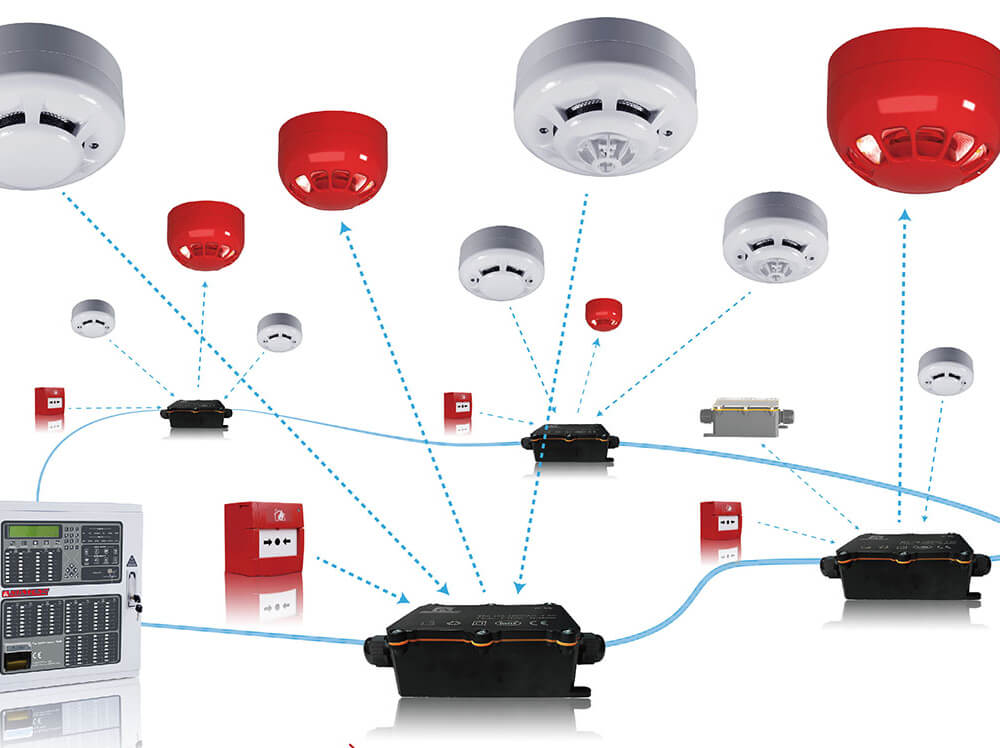
In 2026, fire alarm systems have evolved significantly, becoming more intelligent, integrated, and technologically advanced. Modern solutions focus not only on fire detection but also on early risk prediction, reduction of false alarms, and overall improvement of safety standards.
Artificial Intelligence in Detection Systems
One of the key trends in 2026 is the integration of Artificial Intelligence (AI) into fire alarm systems. These systems simultaneously analyze smoke levels, temperature changes, and gas concentrations using advanced machine-learning algorithms.
This approach significantly reduces false alarms and allows the system to distinguish between real fire threats and non-dangerous environmental factors such as dust or steam.
Wireless Technology and IoT Integration
Modern fire alarm systems increasingly rely on wireless infrastructure and IoT (Internet of Things) integration. This enables remote monitoring via mobile applications and centralized management of multiple facilities.
Wireless solutions reduce installation time and minimize cabling costs, making them especially beneficial for building renovations and upgrades.
Multi-Sensor Detection Technology
In 2026, multi-criteria detectors have become standard in advanced fire protection systems. These devices simultaneously monitor smoke, temperature rise, carbon monoxide levels, and environmental changes.
By combining multiple data sources, detection accuracy improves and fire incidents can be identified at an earlier stage.
Cloud-Based Monitoring Platforms
Cloud technology allows real-time system monitoring, automatic reporting, and instant fault notifications. Large organizations benefit from centralized supervision of multiple sites through a single control interface.
This enhances operational efficiency and ensures continuous safety management.
Energy Efficiency and Autonomy
New-generation detectors are designed with energy-efficient components and long-life batteries lasting up to 10 years. Many systems also include automatic self-testing functions, reducing maintenance requirements and improving reliability.
Conclusion
Fire alarm systems in 2026 represent a new era of intelligent fire protection. The integration of AI, IoT, and cloud technologies significantly enhances reliability, responsiveness, and preventive capabilities.
Modern systems are no longer limited to detecting fires — they are designed to anticipate risks and provide comprehensive safety solutions for residential, commercial, and industrial facilities.
Data
In 2026, fire alarm systems have evolved significantly, becoming more intelligent, integrated, and technologically advanced. Modern solutions focus not only on fire detection but also on early risk prediction, reduction of false alarms, and overall improvement of safety standards.
Artificial Intelligence in Detection Systems
One of the key trends in 2026 is the integration of Artificial Intelligence (AI) into fire alarm systems. These systems simultaneously analyze smoke levels, temperature changes, and gas concentrations using advanced machine-learning algorithms.
This approach significantly reduces false alarms and allows the system to distinguish between real fire threats and non-dangerous environmental factors such as dust or steam.
Wireless Technology and IoT Integration
Modern fire alarm systems increasingly rely on wireless infrastructure and IoT (Internet of Things) integration. This enables remote monitoring via mobile applications and centralized management of multiple facilities.
Wireless solutions reduce installation time and minimize cabling costs, making them especially beneficial for building renovations and upgrades.
Multi-Sensor Detection Technology
In 2026, multi-criteria detectors have become standard in advanced fire protection systems. These devices simultaneously monitor smoke, temperature rise, carbon monoxide levels, and environmental changes.
By combining multiple data sources, detection accuracy improves and fire incidents can be identified at an earlier stage.
Cloud-Based Monitoring Platforms
Cloud technology allows real-time system monitoring, automatic reporting, and instant fault notifications. Large organizations benefit from centralized supervision of multiple sites through a single control interface.
This enhances operational efficiency and ensures continuous safety management.
Energy Efficiency and Autonomy
New-generation detectors are designed with energy-efficient components and long-life batteries lasting up to 10 years. Many systems also include automatic self-testing functions, reducing maintenance requirements and improving reliability.
Conclusion
Fire alarm systems in 2026 represent a new era of intelligent fire protection. The integration of AI, IoT, and cloud technologies significantly enhances reliability, responsiveness, and preventive capabilities.
Modern systems are no longer limited to detecting fires — they are designed to anticipate risks and provide comprehensive safety solutions for residential, commercial, and industrial facilities.